Bulk coir supply and private label · Worldwide, with dedicated support for Oman and the USA
Bulk / WholesaleOmanUSAAbout us
Coirpath. NATURAL COIR PRODUCTS
Products Wholesale Process Quality Worldwide Coir guide About us Contact
Talk to our team
Home / Coir guide

Coir guide: cocopeat, coir pith and coco coir explained

The same coconut husk material is sold under many names. This guide explains each term, what it means and which Coirpath product it matches.

Cocopeat
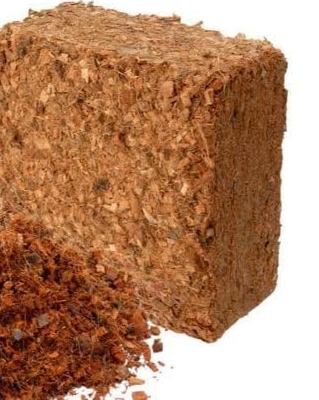
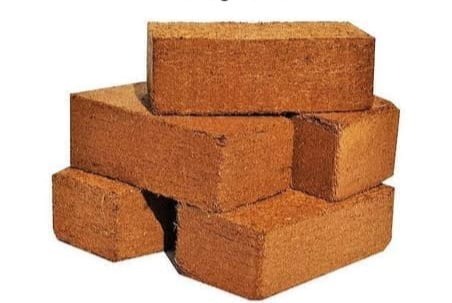
Also: coco peat, cocopeat, coir pithCocopeatThe fine, spongy growing medium made from coconut husk pith.Read the guide →
Coir pith (cocopith)
Also: cocopith, coco pith, coir pithCoir pith (cocopith)The industry name for cocopeat: the pith left after fibre extraction.Read the guide →
Coco coir
Also: coco coir, coconut coir, coirCoco coirThe general name for coconut husk material used in growing.Read the guide →
Coir fibre
Also: coir fiber, coconut fibre, coconut fiberCoir fibreThe long, strong fibre from the coconut husk.Read the guide →
Coco chips
Also: coco chips, coconut husk chips, coir chipsCoco chipsCut pieces of coconut husk for orchids, mulch and mixes.Read the guide →
Coconut palms
Inside the husk

What a coconut husk is made of

The thick outer husk of the coconut is made of two materials held together: long fibres, and the spongy, cork-like pith between them. Separating them gives every coir product.

Pith (cocopith)~70%
The fine, spongy material between the fibres. Washed and dried, it becomes cocopeat.
Fibre (coir)~30%
Long and short fibres used for rope, mats, logs, pots and moss poles.
ChipsCut husk
Whole husk cut into pieces keeps fibre and pith together for orchid and mulch use.
Names explained

Coir, cocopith, cocopeat and coco coir compared

Buyers, retailers and customs documents use different names for the same materials. This table shows how they relate.

TermWhat it meansWhere the name is usedCoirpath products
CoirThe fibre and pith from the coconut huskTrade and customs (HS 5305)All products
Coir pith / cocopithThe spongy pith left after fibre extractionExporters, industry, Indian marketCoco Peat Brick
Cocopeat / coco peatWashed, dried coir pith used as growing mediumGrowers, Gulf and Asian marketsCoco Peat Brick
Coco coir / coconut coirGeneral name for husk-based growing mediaUS and European retailCoco Peat Brick, Husk Chips
Coir dustOlder name for coir pithOlder trade documentsCoco Peat Brick
Coco chips / husk chipsCut pieces of coconut huskOrchid and nursery growersHusk Chips Block
Coir fibre / coconut fibreLong, strong husk fibreManufacturers, erosion controlLogs, Mats, Rope, Moss Poles
Cocopith properties

Why growers use cocopith

Typical values for washed cocopith (coir pith, cocopeat). Exact figures vary by grade and are confirmed in the lab report for each lot.

Water holding8–9×Holds up to nine times its dry weight in water.
Total porosity~95%Plenty of pore space for water and air.
Air-filled porosity10–20%Keeps roots supplied with oxygen even when wet.
pH5.5–6.5Slightly acidic to neutral, suits most plants.
EC (washed)< 0.5 mS/cmLow salt after washing, safe for seedlings.
CEC40–60 cmol/kgHolds nutrients and releases them to roots.
C:N ratio~80:1Breaks down slowly, so it stays stable for years.
Bulk density0.07–0.1 g/cm³Light when expanded, easy to handle.
Grades

Cocopith grades

Washed (low EC)Rinsed in fresh water to EC below 0.5 mS/cm. For potting, seed starting and general growing.
BufferedTreated with calcium so it does not hold back calcium and magnesium. For hydroponics and greenhouses.
UnwashedHigher EC. Used for soil conditioning where salt is not a concern.
Fine (0–5 mm)Even texture for seedlings and propagation.
Coarse / mixed with chipsExtra drainage and air for containers and orchids.
Formats

Pack formats

5 kg blocksStandard bulk format, about 70 L expanded.
30×30×12 cm
650 g bricksSmall bricks for retail and private label.
~9 L each
Grow bagsOpen-top bags for greenhouse crops.
100×18×15 cm
Discs and pelletsFor seed starting and propagation trays.
Made to order
Loose balesCompressed bales for blenders.
Made to order
How to use cocopith

Expanding and mixing

01Place the block in a tub or wheelbarrow
02Add about 5 L of water per kg
03Wait 15–20 minutes while it expands
04Break up and fluff before use
UseTypical mixNotes
Seed starting100% fine cocopithFine, low-EC grade; feed once seedlings have true leaves.
Potting mix50% cocopith, 50% compostAdd slow-release fertiliser.
Raised beds30% cocopith in soilImproves water holding in sandy soil and drainage in clay.
Hydroponics100% buffered, or 70% with 30% perliteUse buffered grade and a full nutrient solution.
Orchids and aroidsCoco chips with 20–30% cocopithChunky mix for air around roots.
Coir vs peat moss

Cocopith compared with peat moss

Cocopith (coco peat)Peat moss
SourceRenewable coconut husk, a farm by-productPeat bogs that take centuries to form
Re-wettingRe-wets easily when dryRepels water once dried out
pH5.5–6.5, near neutral3.5–4.5, needs liming
LifespanBreaks down slowly, lasts yearsBreaks down faster
Water holding8–9× its weightSimilar, but harder to re-wet
EnvironmentNo bog harvesting; biodegradablePeat extraction releases stored carbon
Coir fibre

Types of coir fibre

Brown fibreFrom mature coconuts. Strong and rot-resistant, used for rope, mats, logs and moss poles.
White fibreFrom green husks, retted for months. Softer and finer, used for fine yarn.
Bristle fibreLong, coarse fibre for brushes and rope.
Mattress fibreShort fibre for padding, pots and needle-punched mats.
Sustainability

Why coir is a sustainable choice

✓
Made from a by-productHusks are left over after the coconut harvest.
✓
Renewable every 45–60 daysCoconut palms are harvested year-round.
✓
Peat-freeProtects peat bogs, which store large amounts of carbon.
✓
BiodegradableEvery product breaks down naturally in soil.
✓
Extra income for farmersHusks that would be burnt or dumped earn farmers money.

A–Z of coir terms

TermMeaning
IncotermsFOB Tuticorin, CIF or CFR to your port. DDP on request.
PaymentAgreed with each buyer, typically by advance or letter of credit.
PackingPalletised and stretch-wrapped, or floor-loaded for maximum volume.
In short

Cocopeat, coco peat, coir pith and cocopith are the same material: the pith of the coconut husk. Coco coir is the wider name for husk material, including fibre and chips.

Cocopeat= coco peat = coir pith
Cocopith= coir pith
Coco coirPith, fibre and chips
Coir fibreLong husk fibre
FAQ

Coirpath FAQ

Can't find your answer? Our team replies within two working days.

Talk to our teamAll FAQs
Seedling photo
Cocopeat is one form of coco coir: the fine pith. Coco coir also includes fibre and chips.
Yes. Coir pith (cocopith) is the trade name and cocopeat (coco peat) is the gardening name for the same material.
An older name for coir pith or cocopeat.
Another name for a coir log, used for erosion control on slopes and stream banks.
Coco coir, coco peat and coir are most common in the US.
Cocopeat and coco peat are most common in Oman and the Gulf.
About 5 L per kg. A 5 kg block takes around 25 L and expands to about 70 L.
Washed cocopith has low salt (EC below 0.5). Buffered cocopith is also treated with calcium for hydroponics.
It is renewable, re-wets easily, has a near-neutral pH and lasts longer, so many growers use it in place of peat moss.